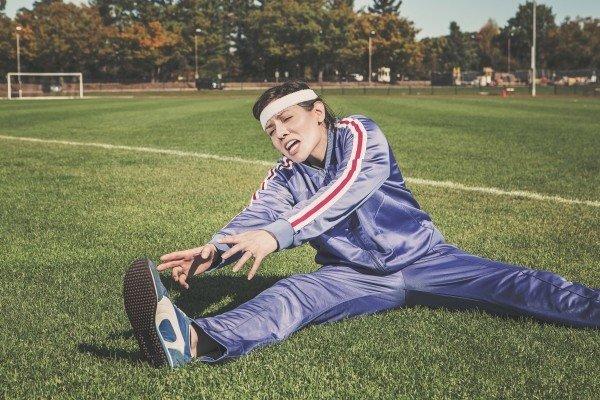
No matter where you live in the world, if you are interested in fitness and being healthy, you have heard about Pilates. You may have even been to a few classes and tried your hand at some of the postures. But although Pilates is an acclaimed practice of exercise that is well known all over the world, not many people know how Pilates started and why. Let’s investigate that today and use the knowledge to further our practice as Pilates practitioners.
Joseph Pilates was a physical trainer from Germany. As you might have guessed from his name. Joseph invented Pilates and named it after himself, which is the short version of the events that lead to Joseph creating this now a popular form of exercise. The detailed version is that as a child Joseph suffered from many ailments and was often unwell. Determined to change his fate Joseph set about creating his own rehabilitation. Dedicating himself to the study and practice of exercise. He studied exercise from the east such as yoga, tai chi, Zen practices and martial arts and exercises from the west such as gymnastics, self-defence and boxing. As he gained notoriety for his skills, he had the opportunity to travel to the USA and England. Joseph was working in England at the time of the First World War and was detained in an enemy camp for being German. This seems like a sad event to pass in such a talented man’s life, but it was within this camp that Joseph invented Pilates. Interested in the idea of exercise which balances the mind and body, Joseph tested his theories on other detainees, and when he had the opportunity to work as a nurse, he was also able to test this on bedridden and wounded soldiers. After the war, Joseph was released and moved back to Germany and later back to the USA. The Pilates method was shared and found initial popularly with dancers including modern dance schools and the ballet community. Because of its focus on better posture, body alignment, core strength, muscle tone and ability to alleviate injuries. Joseph Pilates opens his first studio in New York City in 1923, he had originally called the method ‘Controlology’. Until it was thankfully changed to Pilates sometime later. It is the students that were trained initially by Joseph at this studio in New York. That became specialized in the practice and helped to spread the awareness of Pilates around the world by opening their own studios. Check out different lessons on yoga near me. Being precise, present and fully aware in your practice is imperative to the engaging the movements correctly. Photo Source: Unsplash
What is Pilates?
Pilates is resistance exercise which brings together the body and mind to improve core strength, mental focus, body alignment, the range of motion, body awareness. The benefits of Pilates leads to a balanced body, improved posture, a stronger mind-body connection and excellent overall health. Pilates is suitable for all people on the planet.
The Principles Of Pilates
Pilates was created to be a philosophy and a wellness method, rather than just a way of exercising. It uses the precision of movement and gives emphasis to balanced awareness. The method incorporates movements which are uniformly followed, and these movements are based upon a set of principles. It is these principles that secured the Pilates method as an Mindful breathing is one of the most important parts of the practice of Pilates. Photo Source: Unsplash important range of motion and set it apart from other exercise programs.
The Essential Principles Of Pilates
The Centring Principle
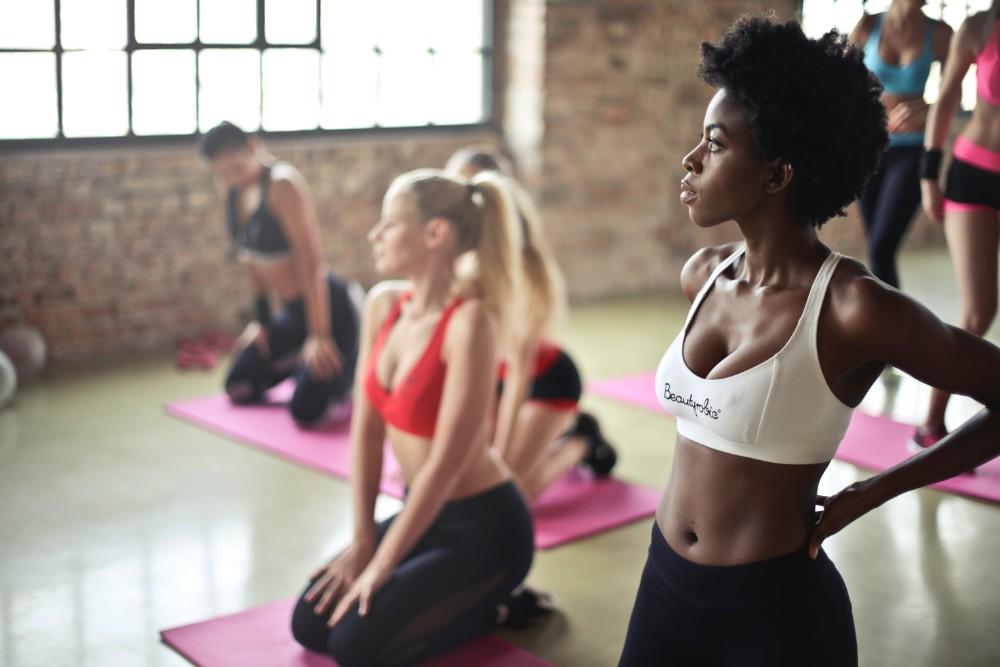
In Pilates the centre of the body is known as the core or powerhouse, it is the area between the lower ribs and the pubic bone. It is at this point that many Pilate’s exercises originate from. The principle of centring concentrates on restoring and maintaining your physical core strength while simultaneously invigorating your spiritual centre.
The Concentration Principle
Being precise, present and fully aware in your practice is imperative to the engaging the movements correctly. You should move with purpose and forethought about what it is that you are doing. As you empower your practice by being fully present, you will find it easier to overcome any physical condition.
The Control Principle
When doing Pilates, you should be moving your body with deliberate movement. No part of the body is left to do as it pleases. This body control is devised to increase body health, decrease injuries and restore the awareness that we have of our bodies. When adopted with the other principles and used within your practice you will find the control to be essential to your ability to your vitality.
The Precision Principle
This is one of the main goals for Pilates because when you can bring precision to your movements, you will find that you can integrate and maximise your mind and body synchronisation much more easily. Precision leads on from concentrations but goes further because it encourages you to look at the precise position of each posture and see how each part of your body relates to the other parts while in the position. Search for yoga near me and start now.
The Breath Principle
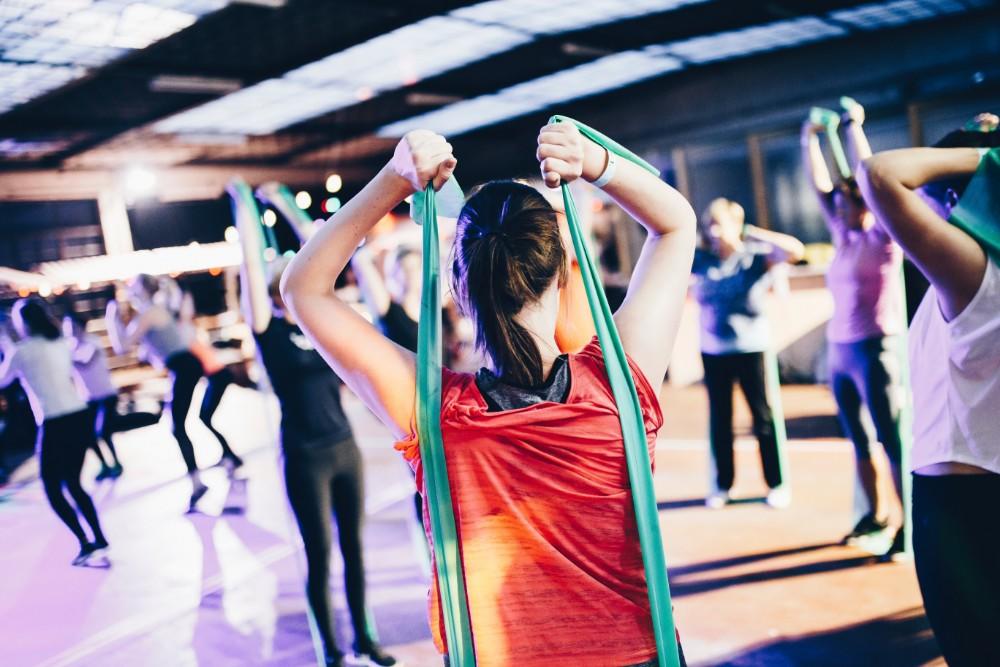
Mindful breathing is one of the most important parts of the practice of Pilates. Proper breathing engages our abdominal core muscles, which invigorates the body. Adding deep breathing to your Pilates practice or any physical exercise will strengthen your workouts. Improve the precision of your coordination, intensify your endurance and transform your exercise program.
The Flow Principle
Pilates incorporates fluid and continuous movement, to support the idea that each posture has a beginning and an end. When you concentrate on how to do each posture you will learn the natural start and end point for each exercise. This flow gives you a full body workout as you move with grace and discipline. This engagement in the movement from head to toe is complementary to the flow that is taking place in your mind. When you are calm and present, you will find this much easier than when you are stressed and tense. Going with the flow of movement and with the flow of your mind, is another area that body and mind connect in Pilates. Get vital information on yoga Edinburgh. In Pilates the centre of the body is known as the core or powerhouse. Photo Source: Unsplash
The Additional Principles Of Pilates
The principle of Harmony – Allows for the seeking of harmony within your body, mind and spirit. The focus of harmony while practising Pilates is the path to creating a balanced body. There is never any need to push too hard or go against the natural movement that your body can make. You decide how far you can go in each exercise by being aware and present.
The principle of Efficiency – Allows us to be aware of our anatomy and correctly engage the right muscles groups for each exercise. When we know that it is our hamstrings that need to relax we can focus on neutralising the blockage to our vitality.
The principle of Balance – Allows us to bring together all of the principles of Pilates. Here we can focus on alleviating any imbalances within the body. Being in balance from head to toe means being willing to accomplish all of the principles within your Pilates practice.
The principle of Awareness – Allows us to explore the body and the mind while taking part in the flow of movement and specific exercises. Not just being aware of how you are moving but also being aware of your mental processes while you are moving. Having awareness about how your body is moving within the practice so that you can correct and improve consistently.
How Pilates Grew Into An International Phenomenon
After Joseph Pilates died, the practice of Pilates was continued by his top students. The students opened their own studios, and some tweaked the method to suit their interpretation of Pilates. One student brought his experience as a dancer to the practice and gave greater focus to the flow that we see practised today. Students opened schools all over the USA and the world, but the most notable studio was opened in Los Angeles, USA. It was this LA studio that quickly became popular with Hollywood celebrities. As they began to talk about the amazing effects of Pilates in their lives more and more celebrities joined in with the movement. Before too long the media caught on to the new craze called ‘Pilates’, and they began to feature and publicise the practice heavily in various mediums. That was the point of take-off for Pilates and news spread from LA to the USA to the world. Pilates was invented around 100 years ago, the first studio opened around 95 years ago, and it went viral around 40 years ago. Since then it has grown to be practised by millions of people worldwide, from housewives to CEOs, from Athletes to scientists, from children to old people, flexible people to inflexible people. There is no barrier to begin Pilates which makes it a genuinely universal discipline. Joseph Pilates once said that he thought he was ahead of his time. It is clear that if Joseph Pilates were alive today that he would be one of the wealthiest and most successful fitness professionals on the planet. Like many of the old greats, Joseph was a genius, whose commitment to wellness, body awareness and mindful balance has left a lasting legacy for the rest of us to enjoy. Thank you, Mr Pilates!
Outlining Hatha Yoga "Do you do yoga?" This simple question, phrased along the lines of 'do you do housework?' or 'do you go to school?', is not that easy to answer. We all know what housework is: washing up and hoovering, keeping the laundry piles in check and making sure that the house doesn't get […]
Sun salutation for beginners If you’re familiar with yoga, you’ve probably heard the term ‘sun salutation’ bandied around by various instructors. Sun salutation yoga is a series of 12 poses, although you’ll find various opinions out there on how many poses should form the practise. It’s often thought of in the Yoga community as an […]
Advice for Men Doing Yoga “Undisturbed calmness of mind is attained by cultivating friendliness toward the happy, compassion for the unhappy, delight in the virtuous, and indifference toward the wicked.” - Patanjali Yoga is for everyone. Thanks to the poses, breathing exercises, and stretches, yoga comes with a lot of physical, mental, and spiritual benefits […]
What You Need to Know About Becoming More Flexible With Yoga Cultivate flexibility. Life is the process of becoming rigid but flexibility allows you to adapt to the movement of life. It allows you to react accurately to unforeseen events and to others' attitudes that surprise you - Frédéric Lenoir, writer and sociologist. Practising yoga […]
How Can You Do Yoga with Your Children? “Children must be taught how to think, not what to think.” - Margaret Mead Yoga is a great way for parents to share something with their children. But that’s not all! There are also tonnes of other benefits of doing yoga. They’re all good reasons to start doing […]
What is the Perfect Yoga Class Sequence? Yoga is all about the mind-body connection; the asanas or poses, yoga breathing – breathing in tune with movement and meditation serve to foster that very connection. As yoga transcends the physical – indeed, it is the flow of energy that compels movement, would it matter in what […]
How to Plan a Yoga Retreat in India “Yoga is not a religion. It is a science, science of well-being, science of youthfulness, science of integrating body, mind, and soul.” - Amit Ray A yoga session is a bit like a bubble of well-being. Be it breathing exercises, meditation, mindfulness, or alignment, daily yoga practice […]
The Complete Guide to Yoga Therapy It’s well known that yoga is a great way to exercise while relaxing at the same time and there are also many benefits to yoga, which is why it’s popular in the UK and all over the world. Those who practise yoga can tone muscle while focusing on their […]
An Introduction to the Five Tibetan Rites “Yoga does not just change the way we see things, it transforms the person who sees.” - B.K.S. Iyengar Yoga is an activity that requires a lot of discipline to get the maximum benefit from it and some practices are easier than others. Did you know that there […]





 Loading...