“He who knows no foreign languages knows nothing of his own.” - Johann Wolfgang von Goethe
The status of the Catalan language is an interesting one; it’s the mother tongue of around 10 million people but there is no single state that considers it its primary official language. Speakers of Catalan far outnumber any regional language in the UK but the language exists in the shadow of the third-most spoken language in the world, Spanish. Catalan is spoken across a 60,000km2 area that accounts for 13% of Spain. Would you like to get Catalan lessons? Here’s what you need to know about this interesting language.
Catalan is almost the most common language spoken in Catalonia: according to a 2008 study by the Catalan government, Catalan is the mother tongue of 31.6% of Catalans. You can find out about Spanish course here. Learning Catalan can be a really rewarding experience. (Source: Pexels)Spanish is the first language and spoken by 55% of the population. There are several reasons for learning Catalan. Here are our top 10 reasons to take Catalan lessons:
To visit the Catalan Countries
To learn more about a new Romance language
To explore Catalan culture
To speak a second language
To discover Catalan art
To learn about the history of the Catalan language
To learn an interesting Romance language
Because Catalan is similar to other European languages we learn
Because Catalan is an important language in the Mediterranean
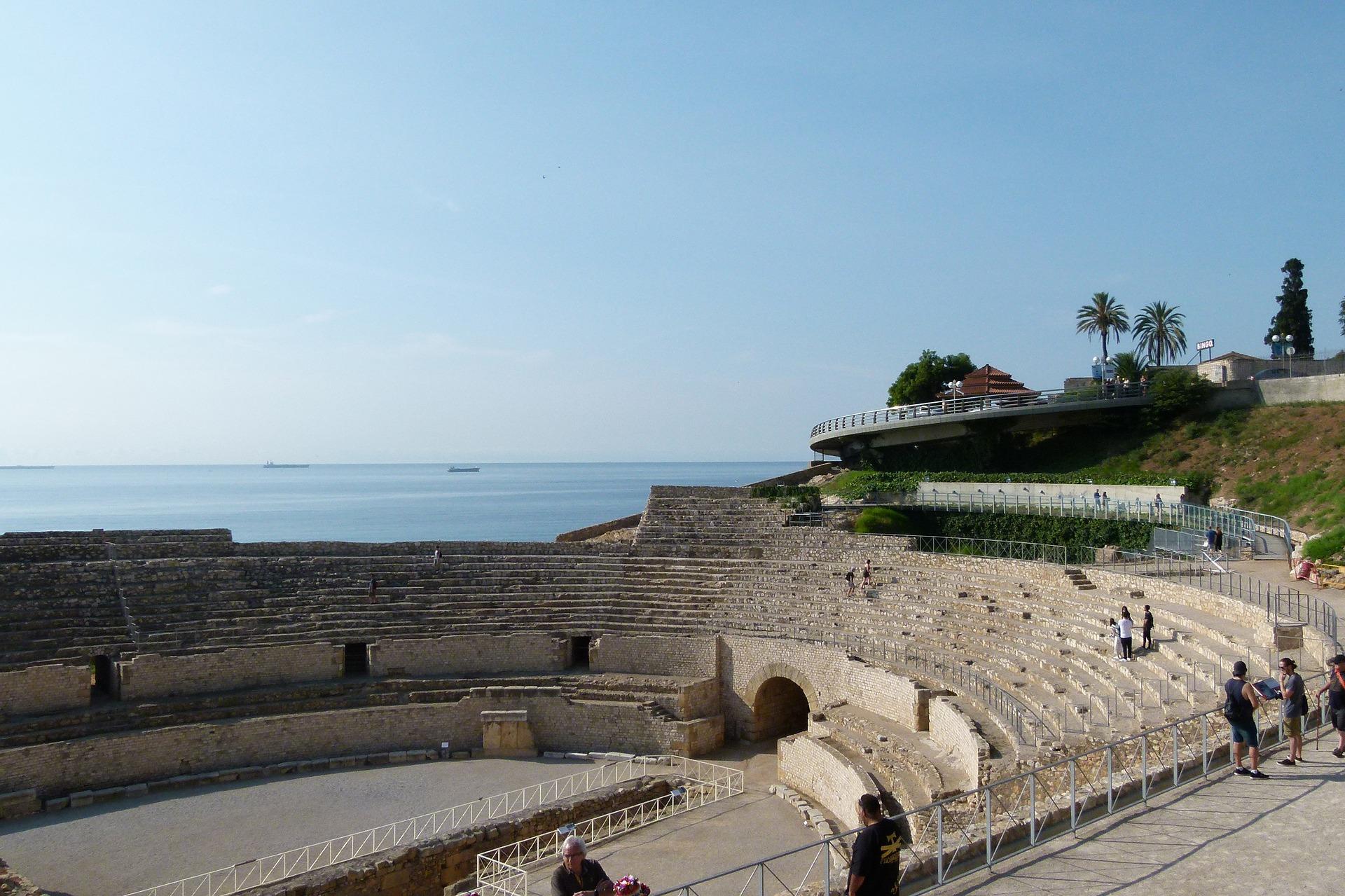
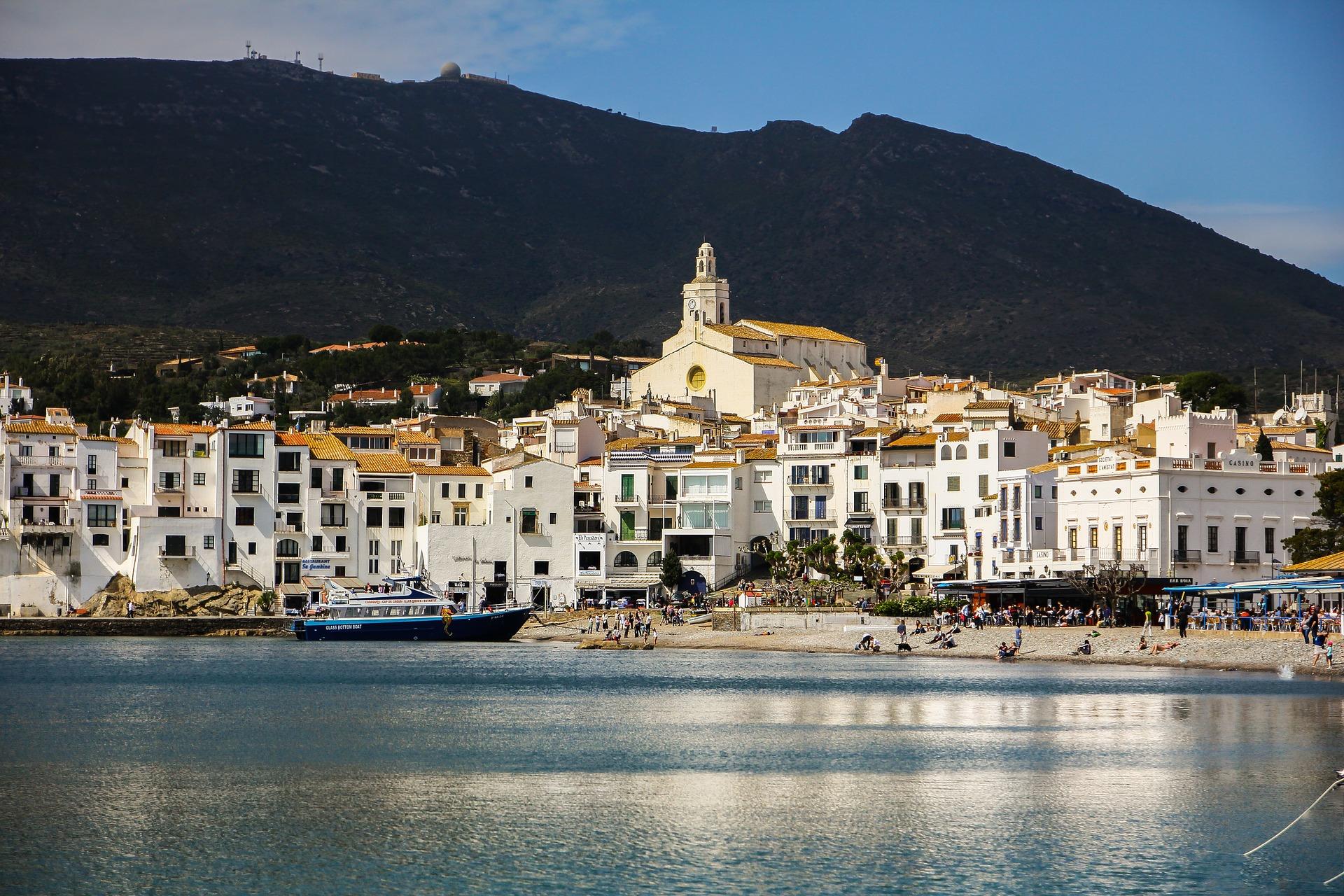
The Catalan language, or llengua catalana, is also spoken in the Pyrénées-Orientales region of France, the Valencian Community and the Balearic Islands in Spain, and the town of Alghero (Sardinia). The Catalan language and culture spread from the borders of Aragon to Murcia in the southeast of Spain. Learning Catalan is useful for travelling to the east coast of Spain and the Balearic Islands (Minorca, Majorca, and Ibiza). Even if the locals in this area often speak Spanish, the official language of all of Spain, some locals will appreciate it if you speak to them in Catalan. In Catalonia, you can read the signs in Museums and on monuments in the region’s most popular destinations: Barcelona, Girona, the Cap de Creus in Cadaqués, the Roman ruins in Tarragona, and the many creeks and coves along the Costa Brava. Do you prefer nature? Visit the Ebro Delta (Delta de l’Ebre), where the Iberians would settle during the Antiquity and form what would become over the centuries, the people of Iberia. Speaking Catalan will also allow you to immerse yourself in the culture and the language, which has several millennia of history. Catalan is a Romance language that evolved from vulgar Latin spoken by Roman colonists in Hispania. Much like Italian, Portuguese, Romanian, Spanish, and French, the Catalan language was heavily influenced by the Romans. Forgotten and oppressed for several centuries, the Catalan language is seeing a resurgence along with the support for independence. It’s an interesting language with an interesting history. You’ll meet many Catalans who speak English well (Catalonia is ranked 5th in Spain for its English-language ability).
What is the History of Catalan?
Are you interested in Spain’s second official language? Do you know the history of Catalan and the reason behind it coexisting alongside Spanish? The history of Catalan and Spain begins during the prehistoric age. The history of the Catalan language is as old and as fascinating as the history of Catalonia. (Source: makamuki0) The hypothesis is that the first peoples to occupy the land around the Ebro river were dubbed the Iberians. The Romans landed in Hispania in the 3rd century at Empúries and Tarragona. They quickly Latinised the peninsula. In 414, the Visigoths allied with Rome. They moved further into Hispania and took Barcelona for their capital. The name Catalonia came from the name Gotholonia, meaning the “Land of the Goths”. They occupied Spain until the fall of the Roman Empire in 476, but their language didn’t take hold; the people still spoke vulgar Latin as left by the Romans. Vulgar Latin varied across regions and diverged into different dialects and languages that would later become the Romance languages. In the 8th century, the Moors invaded Catalonia after the fall of the Visigoths. The Arabs took Valencia in 714 and Barcelona in 717. Catalonia was also occupied by the Franks in 732 who pushed the Moors back towards the south and added Catalonia to the Carolingian Empire in the 9th century. Catalonian cities fell under the jurisdiction of Francia Occidentalis, West Francia. The Catalan language was then influenced by Frankish, the language that would later evolve into French. Under the Muslim and Carolingian rule, the Romance languages started to standardise giving rise to the Langues d’oïl, Occitan, and Spanish. Catalan still shares many similarities with Occitan. Catalonia became an independent state in 995 following Count Ramon Borrell’s split with the French monarchy under Hugh Capet. The Middle Ages saw Catalan expand across the Mediterranean basin to Aragon, north of the Pyrenees, the Valencian Community, the Balearic Islands, and Sardinia. The plague, civil wars, and territory disputes with the rising Castilian power would lead to the weakening of the Catalan language. In the 15th, 16th, and 17th century, the Spanish language would start to dominate as Spain also spread its empire across the Americas. In the Modern Age, separatist sentiment caused tension right up until the Spanish Civil war (1936-1939). Under Franco’s dictatorship (1939-1975), Catalan would not be seen legally until the 1980s.
Where is Catalan Spoken?
Catalan has spread from the French Pyrénées-Orientales region to the southeast of Spain and you can even find Catalan communities as far south as in Murcia. Catalan isn't just spoken in Catalonia. (Source: JoaquinAranoa)So where can you speak Catalan? The Catalan Countries (Països Catalans) include Catalonia, the Valencian Community (Communitat Valenciana), the Balearic Islands, Andorra, La Franja, and El Carche (Murcia). In Catalonia, nearly 73% of the population speaks Catalan as their first language and 95% of the population understands it. Spain’s second most populous region includes popular tourist destinations such as Barcelona, Girona, Tarragona, Lleida, Reus, Tortosa, and many seaside resorts (Platja d’Aro, Cadaqués, Cap de Creus, Lloret de Mar, etc.). By visiting Catalonia, you’ll have the opportunity to find potential Catalan teachers and practise your language skills with them. Visiting monuments, not your thing? You can discover Catalan through literature, for example! You can also discover Catalan in France along the Vermilion Coast and in Perpignan. 37% of the population can speak the language and 65% can understand it when spoken or written. Rousillon is an area where bilingualism is so common that you may forget that you’re even in France. The Balearic Islands includes Majorca, Minorca, Ibiza, Formentera, Tagomago, S’Espalmador, Conillera, and La Dragonera and is home to 1.11 million inhabitants (2012). Nearly 75% of the population can speak Catalan, 80% can read it, and 93% can understand it. Nevertheless, 50% of the population still use Spanish in everyday life. Nearly half of the population in the Valencian Community speak Catalan (known locally as Valencian). It’s one of the official languages alongside Spanish. With nearly 5 million inhabitants, the Valencian Community is the second-largest Catalan-speaking community in the world. You can visit Valencia and Alicante, for example, as the region is home to 2.8 million Catalan (Valencian) speakers. Finally, Catalan is the official language for the media and government in Andorra. Of the 22,600 Andorrans, 33.8% of the population speak Catalan as their mother tongue.
How Can You Get Catalan Lessons?
Catalan is a fairly common language despite it commonly being treat as a second language in most regions. So how can you learn Catalan? If you want to learn Catalan in Spain, you can find plenty of websites and resources. You can head into the town halls of Catalan cities. Here you can get Catalan classes from the Consorci de Normalització Lingüística. You can get plenty of different types of Catalan lessons. (Source: EstudioWebDoce) You’ll also benefit from a network of passionate teachers. Look for language schools in bigger cities like Barcelona and Valencia. Not heading to Spain to learn the language? There are plenty of options to learn how to speak Catalan:
Get private tutorials with Superprof
Download a language learning app
Check out websites for learning to speak Catalan
Before travelling to Catalonia, you could learn the basics through an app. There are websites like Intercat, Parla.cat, and Voluntariat per la llengua where you can learn about Catalan conjugations, grammar, and spelling. If you've decided that private tutorials are how you want to learn to speak Catalan, just search for Catalan tutors on Superprof. If you can't seem to find any Catalan speakers near you, don't forget that you can learn languages remotely through online private tutorials. As long as you have a webcam and a decent internet connection, you can use videoconferencing software to learn Catalan from native Catalan speakers in the Països Catalans! Find easy Spanish classes London here on Superprof.
Mastering the Differences and Usage of Para vs Por If you've ever studied Spanish, you've almost certainly stumbled over por and para. Both can translate as "for" in English, yet they are used in very different situations; and mixing them up can change the meaning of a sentence entirely. Understanding the difference between por and […]
Essential Spanish Greetings and Goodbyes Learning basic greetings in Spanish is a great way to start your journey into the beautiful world of the Spanish language. Whether you're planning a trip to a Spanish-speaking country or just want to connect with Spanish speakers, mastering these essential greetings and goodbyes will help you communicate more effectively. […]
How to improve your Spanish speaking fluency Mastering the speaking element of a language is always the trickiest. Unlike more passive skills like reading comprehension and to some extent listening, speaking requires you to think on your feet and express yourself in the moment. To improve your fluency in speaking you can’t just rely on […]
The Guide to Studying in a Spanish-speaking Country “To travel is to discover that everyone is wrong about other countries.” - Aldous Huxley According to the European Commission, 27% of Erasmus students met their current partner during their time abroad. Do you think you’ll find the one in Spain? Only time will tell. Before we […]
The History of Spain The history of Spain is full of events including Catholic monarchies and civil wars that have made the country one of the richest in terms of history. From Andalusia to Cantabria, the Iberian Peninsula has gone through some turbulent times to get to where it is today. As you probably know, […]
Everything You Need to Know Before Staying in Spain “The impulse to travel is one of the hopeful symptoms of life. ” - Agnes Repplier In 2017, Spain was the second most visited country in the world after France. From the Sierra Nevada to the beautiful beaches of the Mediterranean, from UNESCO World Heritage Sites […]
Essentials for Spanish Learning Learning Spanish grammar is a difficult task that even some native speakers find hard to master. But it’s not impossible, and by taking language classes you can crack the secret to fluent Spanish! Here are the essentials you need to know about Spanish grammar. Pronunciation of the Spanish Alphabet As a […]
Conjugating Verbs in Spanish To learn Spanish conjugation, you have to be rigorous and meticulous: for starters you have to learn the endings of all the verbs in each tense and learn all of the irregular verbs which don’t follow the normal rules. Here are our tips for mastering the tenses and moods of the […]
What Are The Best Ways To Learn Spanish? Why learn Spanish? Well, by deciding to learn Spanish, you are starting on the path to being able to communicate with around 560 million Spanish speakers. It’s the fourth most spoken language in the world, and the second most spoken first language in the world, second only […]




 Loading...