
The periodic table isn't just a list of the chemical elements. Each element's position is based on its atomic number, making it easier to connect names and symbols to broader patterns in chemistry.⁵ Knowing how to read the layout helps you understand why different elements form particular ions and compounds.
Key Takeaways
- The modern periodic table contains 118 recognised elements arranged into 18 groups.⁵
- Elements in the same group often have related chemical properties because their outer-electron arrangements are similar.³
- Group position can help predict common ionic charges, although transition metals can form ions with different charges.²
- Groups 1 and 2 contain reactive metals, while Groups 17 and 18 show a strong contrast between reactive halogens and largely unreactive noble gases.⁶
- UK GCSE resources may use Group 7 and Group 0 where the modern IUPAC system uses Groups 17 and 18.¹


What Are Periodic Table Groups?
The periodic table smartly organises a lot of information. The layout makes comparing elements easier. Students can spot relationships that would be difficult to see in a simple alphabetical list.³
officially recognised elements.⁵ The names nihonium, moscovium, tennessine and oganesson were formally approved in 2016 for elements 113, 115, 117 and 118.⁴
With so many elements to compare, classification matters. An element's position gives you clues about it before you even know what it is. The group system is one of the most intuitive ways that the periodic table does this.
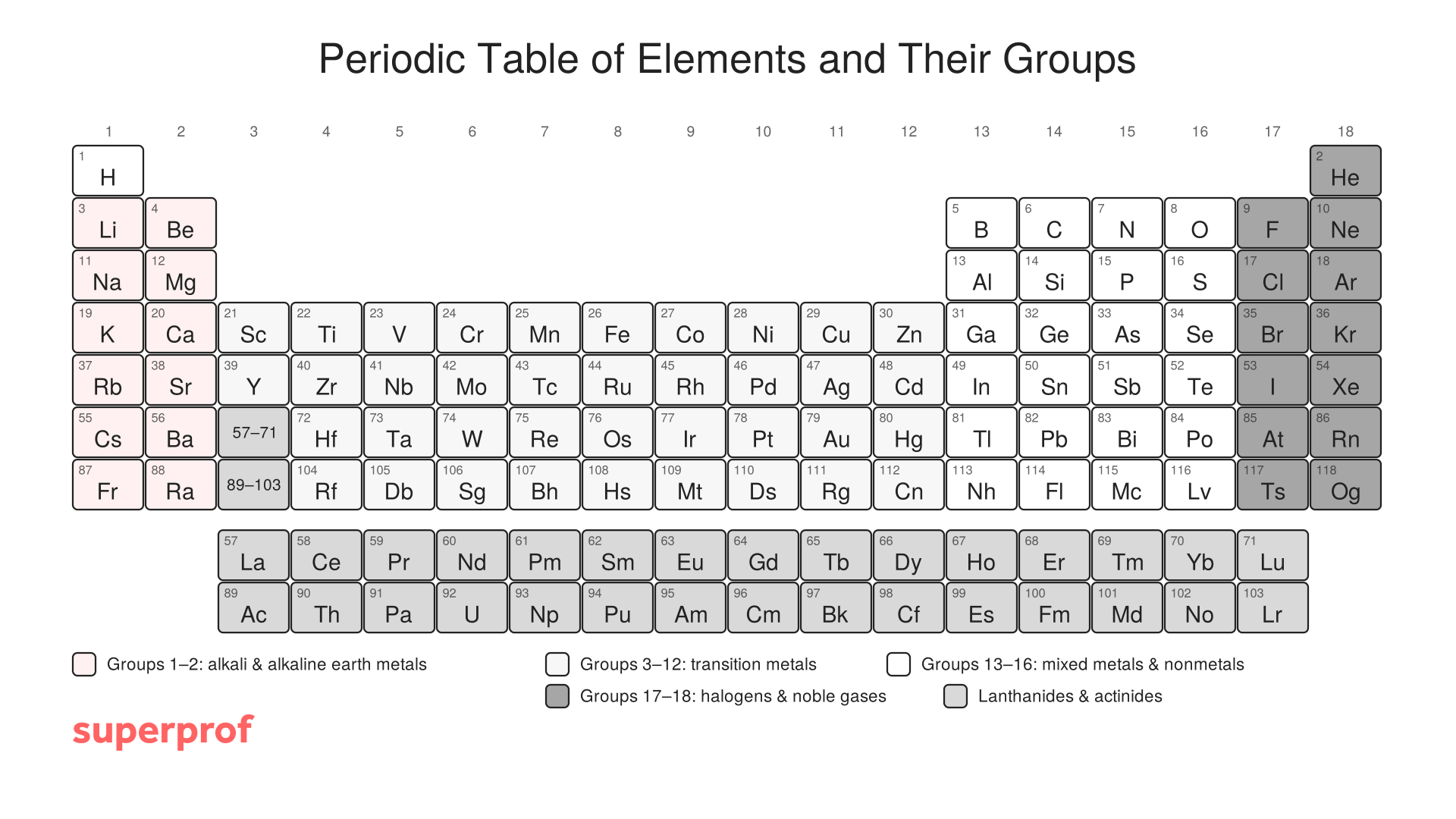
Periodic table groups are the vertical columns. There are 18 groups in the modern IUPAC system.⁵ Elements in the same group often share similar chemical properties because of related outer-electron arrangements.³
Why Elements in the Same Group Behave Similarly
An atom's chemical behaviour is often strongly influenced by the number of electrons available for bonding. Elements in the same family often react in recognisable ways, despite having different atomic numbers. With these similarities, chemists can use one familiar element as a starting point for understanding others in the same column.³
What Group Position Can Help You Predict
| Feature | Pattern | Why it matters | Example |
|---|---|---|---|
| Valence electrons | Main-group elements in the same group usually have similar outer-shell electron patterns | Outer electrons strongly influence bonding and chemical behaviour | Lithium and sodium each have one outer electron |
| Ionic charge | Many main-group elements in the same group form ions with the same common charge | This helps predict the formulas of ionic compounds | Sodium forms Na+ and potassium forms K+ |
| Bonding behaviour | Similar outer-electron arrangements often lead to similar types of compounds | Elements in one group can show related bonding patterns | Sodium and potassium both form chlorides: NaCl and KCl |
| Reactivity | Groups often show a characteristic reactivity pattern | Position within a group can help predict how readily an element reacts | Group 1 metals generally become more reactive down the group |
| Trends down a group | Some physical and chemical properties change progressively from top to bottom | These trends make it possible to compare and predict properties | Group 17 halogens generally become less reactive down the group |
How Periodic Table Groups Are Numbered
Group numbers consistently identify where an element sits in the table. They also help you compare across different textbooks, diagrams, and exam questions without relying on family names alone. However, remember that not every resource uses the same numbers.
In the modern IUPAC system, the halogens are Group 17 and the noble gases are Group 18.⁵ UK GCSE resources may instead call these Group 7 and Group 0, so students should check which numbering convention their course uses.¹
Groups
- Vertical columns
- 18 groups in the IUPAC system⁵
- Elements in the same group often share similar chemical properties
- Main-group position can help predict outer-electron patterns³
Periods
- Horizontal rows
- Seven periods in the current periodic table⁵
- Atomic number increases from left to right³
- Period position relates to occupied electron shells in the GCSE model¹
Periodic Table Groups List by Family
The numbered columns are often called chemical families. Each section of the table is distinguished by family names. It also shows you how behaviour changes from one part of the table to another.
| IUPAC group | Family | Examples | Broad type | Common ionic charge/pattern |
|---|---|---|---|---|
| 1 | Alkali metals | Li, Na, K; hydrogen is in Group 1 but is not an alkali metal | Metals, except hydrogen | +1 is common for alkali-metal ions |
| 2 | Alkaline earth metals | Be, Mg, Ca | Metals | +2 is common |
| 3–12 | Transition metals | Fe, Cu, Ni, Ag | Metals | Variable positive charges; many form more than one type of ion |
| 13 | Boron group | B, Al, Ga | Mixed; mostly metals | +3 is common for several metallic members, but behaviour varies |
| 14 | Carbon group | C, Si, Ge, Sn, Pb | Mixed | No single common simple ionic charge |
| 15 | Nitrogen group | N, P, As, Sb, Bi | Mixed | −3 occurs for some upper non-metals in simple ionic compounds; behaviour varies |
| 16 | Chalcogens | O, S, Se, Te | Mixed | −2 is common for upper non-metals in simple ionic compounds |
| 17 | Halogens | F, Cl, Br, I | Non-metals | −1 is common |
| 18 | Noble gases | He, Ne, Ar, Kr | Non-metals | Usually do not form simple ions |
Group 1: Alkali Metals and Group 2: Alkaline Earth Metals
The first two families are a great example of periodic trends. Both are metallic groups. However, they differ enough that you can use them for comparison. Their position on the left-hand side of the table makes them a good introduction to how metals typically form positive ions.² While some include dangerous elements, it's worth remembering that for chemists, danger is relative and can be mitigated by understanding how elements behave and the safety measures you have to take.
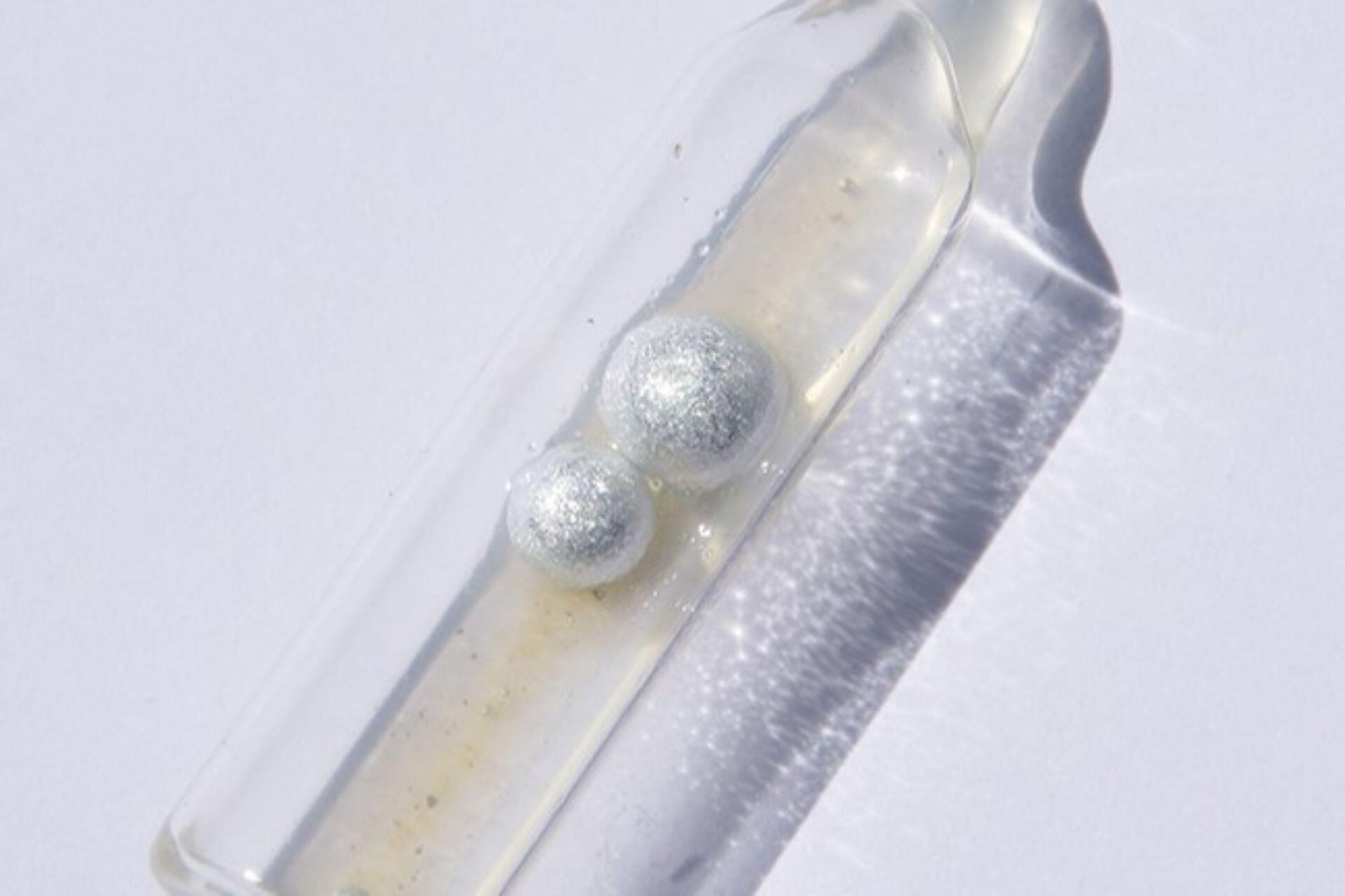
Group 1: Alkali Metals
- One outer electron¹
- Common ionic charge: +1²
- Highly reactive metals
- Includes lithium, sodium and potassium⁶
Group 2: Alkaline Earth Metals
- Two outer electrons¹
- Common ionic charge: +2²
- Reactive metals¹
- Includes magnesium and calcium³
Group 3-12: Transition Metals
Transition metals occupy a broader section of the table. This also means that their chemistry is varied. Elements like iron and copper are especially familiar because of their widespread practical uses and the variety of compounds they form through chemical reactions.³
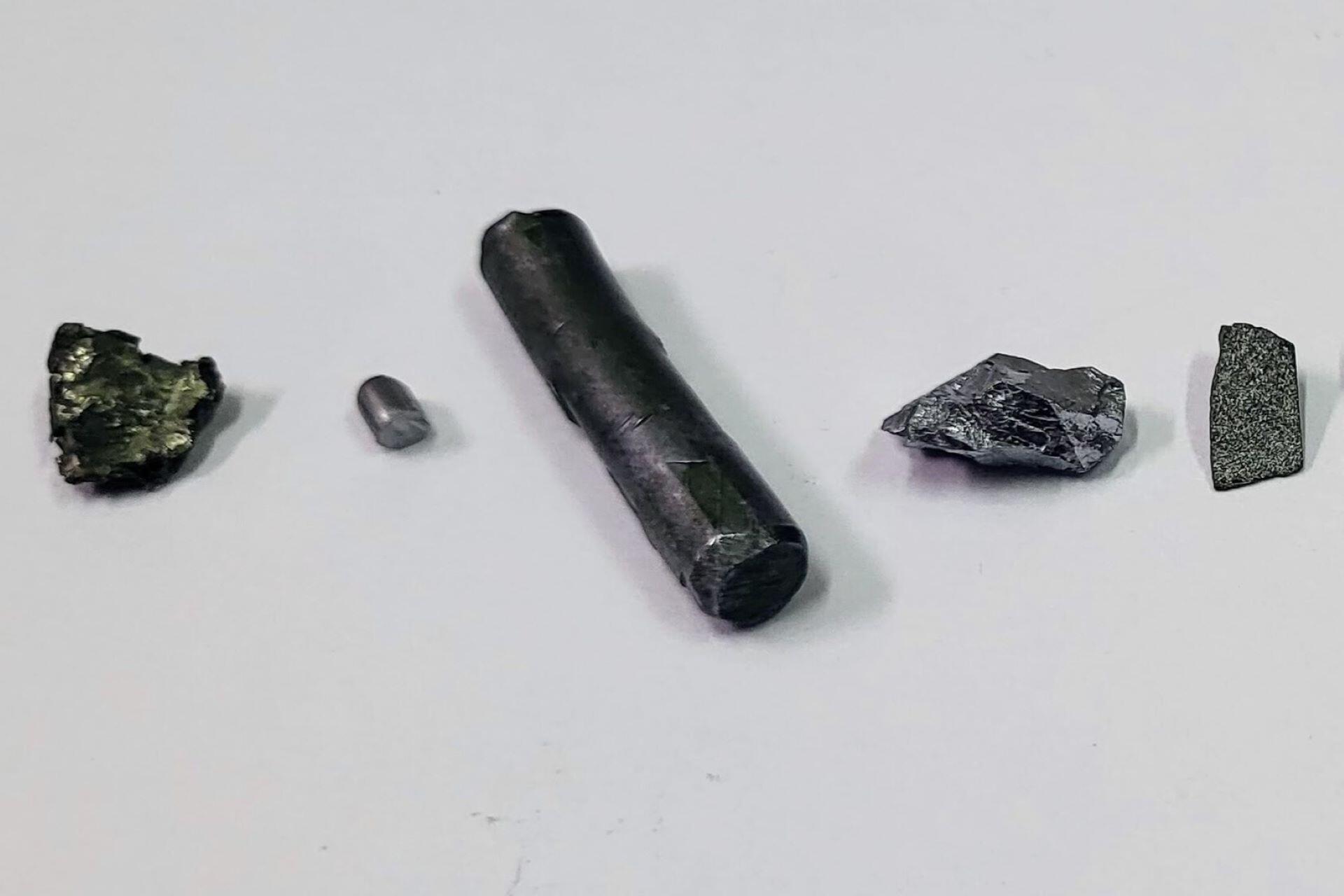
Key Features of Transition Metals
Many transition metals can form ions with more than one charge, so their group number does not predict one fixed ionic charge. For example, iron commonly forms both Fe²⁺ and Fe³⁺ ions.²
Group 13: Boron Group
Group 13 is the start of the p-block families. Its members don't all behave the same way. You can see this in the contrast between boron and the heavier elements below it. Remember that group trends are patterns, not necessarily rigid rules for the table.³
Key Features of the Boron Group
Group 14: Carbon Group
The carbon group shows wide variety across familiar materials. Carbon forms the basis of many compounds, while silicon is central to minerals and electronics. Metallic behaviour becomes much more pronounced down the group.³
Key Features of the Carbon Group
Group 15: Nitrogen Group
The nitrogen family includes elements important to industrial chemistry and living systems. Nitrogen and phosphorus, for example, play major roles in biological processes and agriculture. As you go down the group, the elements gradually become more metallic.³
Key Features of the Nitrogen Group
Group 16: Chalcogens
Group 16 includes oxygen, one of the most familiar elements. Sulfur is also well known and appears in many natural mineral and industrial compounds. Physical and chemical properties change clearly as atomic number increases.³
Key Features of the Chalcogens
Group 17: Halogens and Group 18: Noble Gases
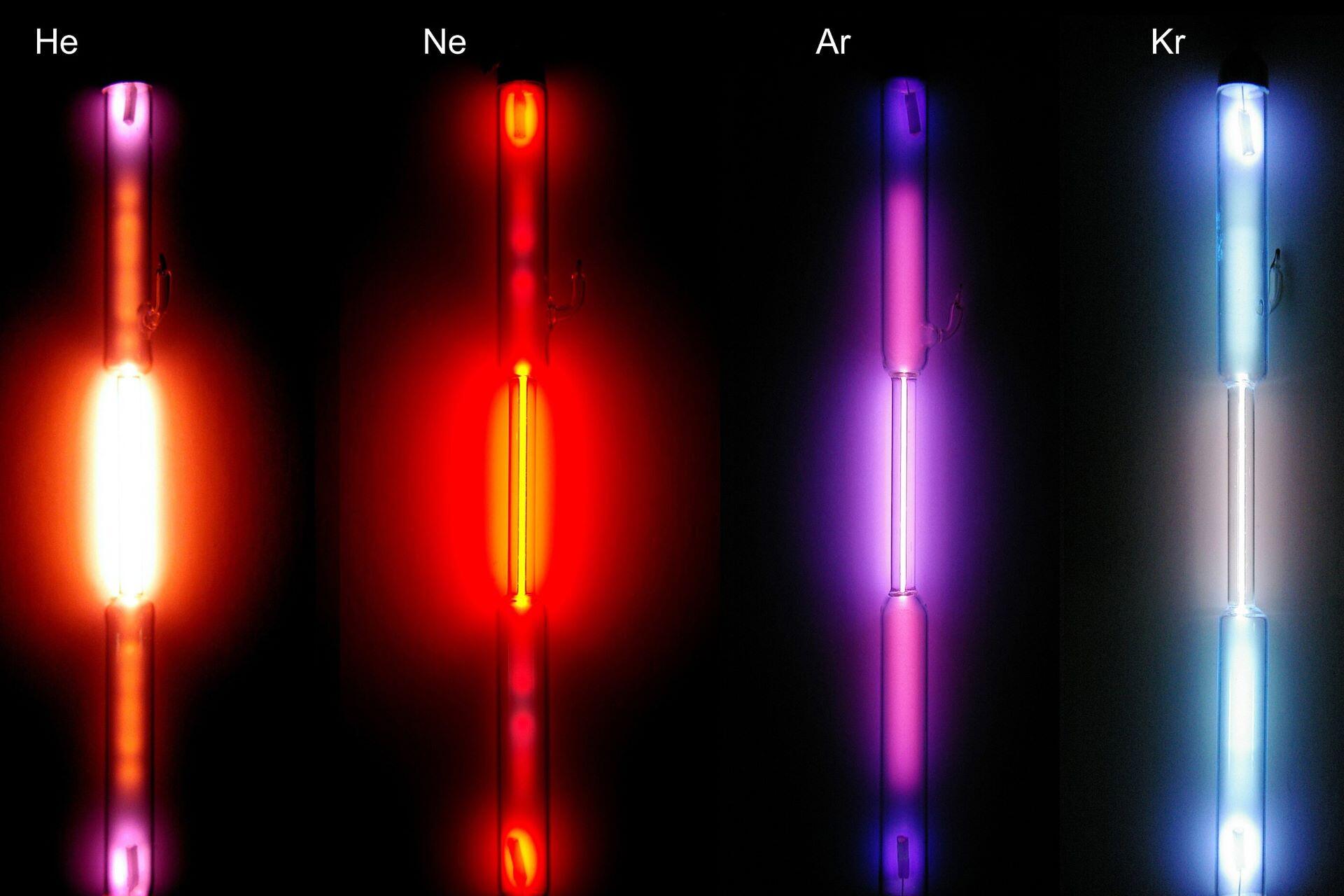
The last two families contrast sharply. Halogens often regularly take part in reactions, while noble gases are much less reactive under ordinary conditions. Seeing them side by side, you can see the effect of outer-electron structure particularly easily.⁶
Halogens
- Group 17 internationally; Group 7 in UK GCSE chemistry¹
- Reactive non-metals⁶
- Common ionic charge: −1²
- Reactivity generally decreases down the group⁶
Noble Gases
- Group 18 internationally; Group 0 in UK GCSE chemistry¹
- Very unreactive under ordinary conditions⁶
- Rarely form simple ions²
- Have stable outer-electron arrangements¹
If you'd like to learn more about chemistry, why not get some help from a private tutor? You can find chemistry tutors on Superprof today. Most offer a free first session, so you can try a few before choosing the right one for you!
References
- AQA. “Atomic Structure and the Periodic Table.” GCSE Chemistry 8462, AQA, https://www.aqa.org.uk/subjects/chemistry/gcse/chemistry-8462/specification/subject-content/atomic-structure-and-the-periodic-table. Accessed 7 Oct. 2026.
- Flowers, Paul, et al. “Ionic and Molecular Compounds.” Chemistry 2e, OpenStax, 14 Feb. 2019, https://openstax.org/books/chemistry-2e/pages/2-6-ionic-and-molecular-compounds. Accessed 7 Oct. 2026.
- Flowers, Paul, et al. “The Periodic Table.” Chemistry 2e, OpenStax, 14 Feb. 2019, https://openstax.org/books/chemistry-2e/pages/2-5-the-periodic-table. Accessed 7 Oct. 2026.
- International Union of Pure and Applied Chemistry. “IUPAC Announces the Names of the Elements 113, 115, 117, and 118.” IUPAC, 30 Nov. 2016, https://iupac.org/iupac-announces-the-names-of-the-elements-113-115-117-and-118/. Accessed 7 Oct. 2026.
- International Union of Pure and Applied Chemistry. “Periodic Table of Elements.” IUPAC, https://iupac.org/what-we-do/periodic-table-of-elements/. Accessed 7 Oct. 2026.
- Kaiser, Niki. “Looking at Groups 1, 7 and 0 on the Periodic Table.” RSC Education, Royal Society of Chemistry, 6 Jan. 2025, https://edu.rsc.org/infographics/looking-at-groups-1-7-and-0-on-the-periodic-table/4020691.article. Accessed 7 Oct. 2026.
Summarise with AI:
Did you like this article? Leave a rating!

 Loading...